
Welcome to
Turkey
Imperial Istanbul, Cappadocia's valleys and archaeology by the Aegean.
In Turkey, the day can begin beneath an Ottoman dome, cross a volcanic valley and end beside an ancient harbour - if the route gives each place room to speak.
Between minarets, tuff valleys and the Aegean
Istanbul’s streets, Central Anatolia’s volcanic valleys and the Aegean’s archaeological coast demand different tempos. Give the city time at neighbourhood level, start early for Cappadocia’s trails and save long afternoons for ruins, markets and the water.
Domestic flights handle the country’s scale; private road transfers and specialist guides bring each region into focus. A first visit can link Istanbul, Cappadocia and the Aegean in twelve nights. Longer itineraries can add the Black Sea or southeastern archaeology without compressing every stop.
CURRENT PLANNING NOTE
Holiday Factory reconfirms visa requirements, regional advisories, seasonal access, flight and transfer schedules, and site opening arrangements before booking and again before departure.
Turkey
in context.
Turkey’s distances shape the itinerary. Anchor the first route in two or three regions, allow at least three nights for Istanbul, then link Cappadocia or the coast by air before slowing down for archaeological sites, village tables and waterfront evenings.
The Bosphorus carries ferries between Ottoman silhouettes and neighbourhood markets. Central Anatolia opens into steppe, caravan roads and Cappadocia's rock-cut valleys. The Aegean and Mediterranean hold theatres, temples, beaches and harbours. Turkish coffee, breakfast, ceramics, textiles and local kitchens keep history connected to everyday life.
Spring opens archaeological sites before peak heat, while autumn keeps the Aegean and Mediterranean warm after summer crowds ease. Istanbul is lively year-round; Cappadocia and the interior can be cold in winter and hot in summer; Black Sea weather is greener, wetter and less predictable.
In Istanbul, ferry commutes, mosque courtyards, bazaars and contemporary galleries belong to the same day. Elsewhere, Seljuk caravanserais, Ottoman külliye complexes, regional markets and family-run kitchens reveal local identities. Turkish coffee, tea, meze, kebabs, gözleme and olive-oil dishes should be understood region by region.
Use domestic flights between distant regions, then private transfers and local guides for Cappadocia, the Aegean and the Mediterranean. Three-night bases reduce packing and create space for early site visits, village stops, coastal walks and weather-led changes.
THE PRACTICAL EDITION
Turkey
reference notes.
01
Essentials
02
Plan well
03
Health & safety
04
Culture & etiquette
18 concise notes for a better-informed journey.
01
Essentials
The fundamentals to orient your journey.
Capital & main gateway
Ankara is the capital; Istanbul is the main international gateway for most leisure itineraries.
Time zone
UTC+3 year-round.
Language
Turkish; English is widely used in major tourism areas but less common away from established routes.
Currency & payments
Turkish lira (TRY). Cards are common in cities and resorts; carry some lira for small businesses and local markets.
Electricity
230V, 50Hz, plugs C and F.
02
Plan well
Timing, entry and movement across the country.
Climate
Mediterranean and Aegean coasts have hot, dry summers and mild, wetter winters. Istanbul has four seasons, the Black Sea is wetter, and Central and Eastern Anatolia have colder winters and larger temperature swings.
Entry & visa
Kenyan ordinary-passport holders require a visa; applications are handled through a Turkish mission. Confirm current documentation and processing time with the Embassy of Türkiye before ticketing. Visa requirements can change, so final requirements should be verified from official immigration or embassy sources before booking.
Getting around
Istanbul has useful metro, tram and ferry networks. Domestic flights save time between Istanbul, Cappadocia and the coasts; private road transfers suit regional touring and archaeological sites.
Booking & timing
Reserve guides, domestic flights and weather-dependent ballooning well ahead for peak periods. Start outdoor archaeology early in hot months and keep one flexible slot in Cappadocia.
Mobile & internet
Mobile data is strong in cities and resorts but can weaken in valleys, mountains and rural areas. Keep hotel details, tickets and emergency contacts offline.
03
Health & safety
Practical precautions for confident travel.
Regional advice
Some border areas are subject to official do-not-travel advice. Holiday Factory checks the planned route against current government guidance and local operator assessments before confirmation.
Earthquake awareness
Türkiye is seismically active. Follow hotel and guide instructions, note exits on arrival and keep emergency contacts accessible.
Crowds & demonstrations
Use normal city precautions against pickpocketing in busy transport areas and markets. Avoid demonstrations and follow local authority and guide instructions.
Health & insurance
Carry comprehensive travel insurance, including medical treatment and evacuation where relevant. Seek destination-specific advice from a travel-health professional before departure.
Heat & terrain
Summer heat, steep cobbles, archaeological surfaces and long walking days require hydration, sun protection and appropriate footwear.
04
Culture & etiquette
The fundamentals to orient your journey.
Religious sites
Dress modestly, remove shoes when requested and avoid entering active mosques during congregational prayers. Follow local guidance for photography.
Hospitality
Greetings are warm and tea is often offered. Accepting a small serving is courteous; a few Turkish phrases are appreciated.
Regional food
Breakfast spreads, meze, kebabs, seafood, gözleme, olive-oil dishes and desserts vary by region. Ask about spice, allergens and dietary needs clearly.
Markets & photography
Bargaining can be appropriate in bazaars but not everywhere. Ask before photographing people, and observe restrictions at military, government and heritage sites.
Choose Turkey by region.

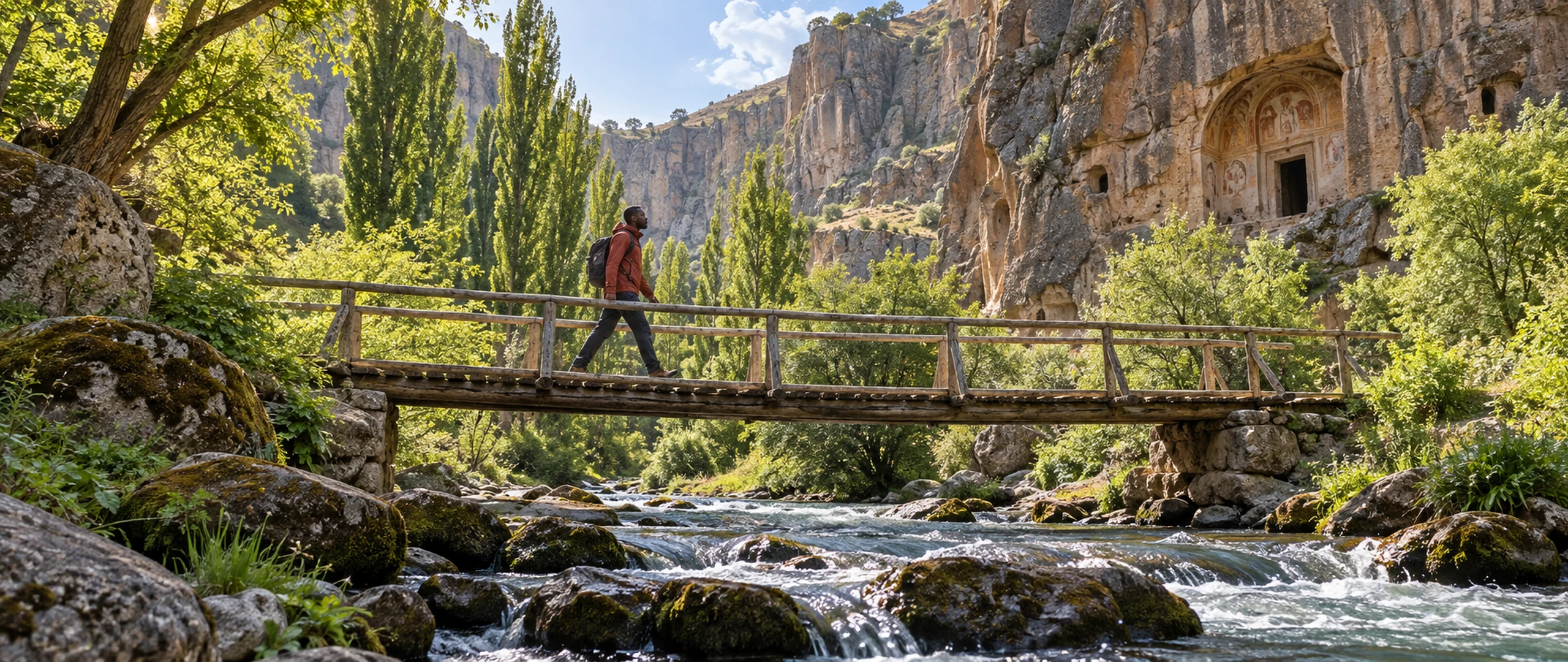


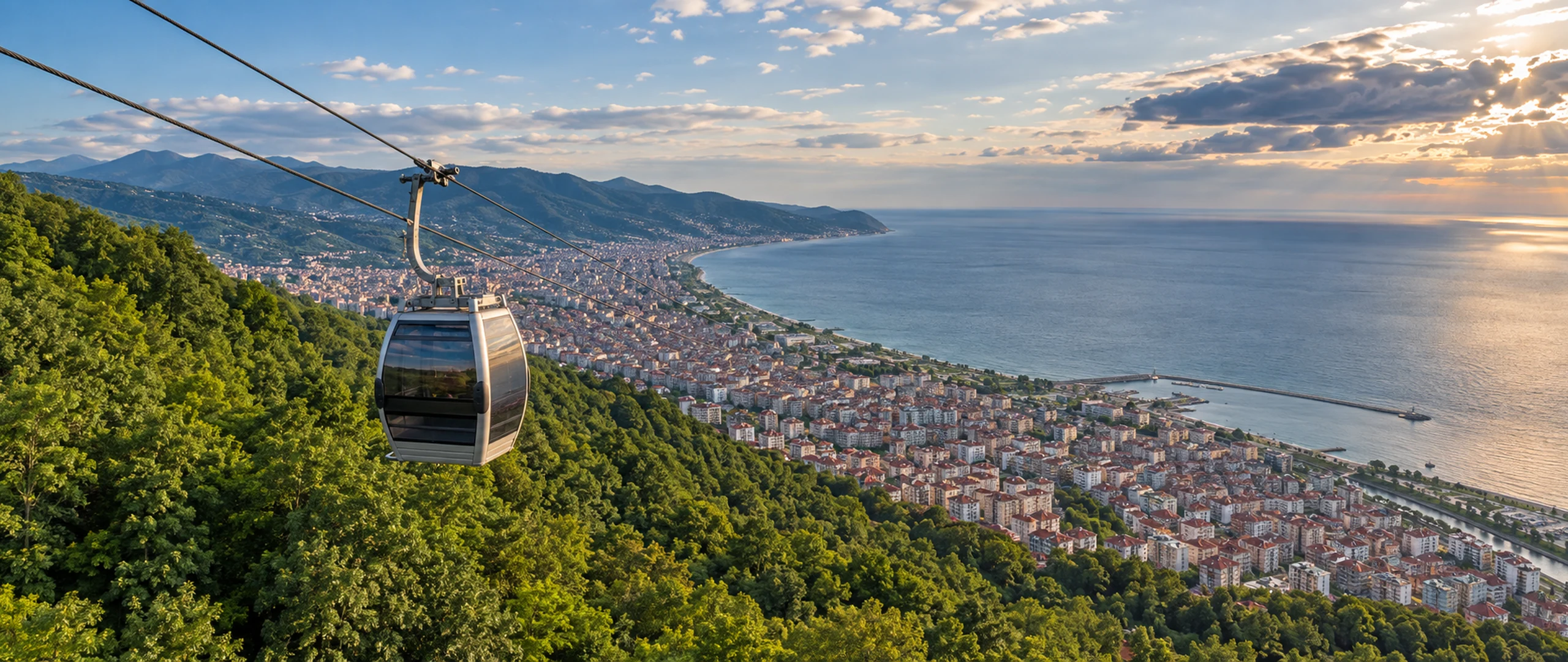


DON'T MISS
Cross the Bosphorus before breakfast
PACKING NOTE
Pack for stone streets, coastlines and high plateaus.
How to build a first Turkey route without rushing the map
A SIGNATURE PRIVATE JOURNEY
12 nights: Istanbul, Cappadocia and the Aegean
Stay near the Historic Peninsula or Bosphorus. Pair an expert-led Hagia Sophia and Topkapı route with a ferry crossing, a neighbourhood food walk and one unprogrammed evening.
Fly from Istanbul and base in Göreme, Uçhisar or Ürgüp. Plan one valley walk, a rock-cut church visit and an underground city; keep ballooning optional and weather-dependent.
Fly to İzmir and stay in Selçuk or another suitable coastal base. Visit Ephesus early with a specialist guide, then add Priene, village cooking, beaches or a sailing day.
Travel by private road to Pamukkale-Hierapolis, stay overnight to avoid a rushed day trip, then continue to Bodrum, Datça or Fethiye according to season and preferred pace.