
BULGARIA DESTINATION GUIDE
Bulgaria: Roman Cities, Mountain Monasteries and Black Sea Shores
An informative Bulgaria travel guide to the country’s ancient cities, mountain landscapes, historic monasteries, regional food and Black Sea towns.
7 min read
Destination Guide
UNDERSTANDING BULGARIA
History, mountains and coast in one compact country
At Rila Monastery, painted arcades frame a courtyard beneath forested mountains. The setting feels self-contained, yet it introduces much of what makes Bulgaria compelling: Orthodox heritage, mountain geography, skilled craftsmanship and a strong sense of place. Follow that thread across the country and Bulgaria becomes far more than a collection of stops between Sofia and the Black Sea.
This Bulgaria travel guide is an introduction to the country as a whole. It looks at the capital, the great historic cities, the mountain regions, old towns, cuisine and coast, while giving travellers enough practical context to decide what deserves their time. Bulgaria rewards curiosity because history remains visible in ordinary streets, landscapes change quickly, and many of its most memorable experiences come from understanding the setting rather than racing through a checklist.
TRAVEL ESSENTIALS
Bulgaria travel guide: useful facts at a glance
Capital and main gateway: Sofia.
Language: Bulgarian, written in Cyrillic; English is common in many visitor-facing businesses, but not universal.
Currency: the euro, adopted by Bulgaria on 1 January 2026.
Time zone: Eastern European Time, with seasonal daylight-saving changes.
Broad travel window: late spring to early autumn suits city, mountain and coast interests; winter is important for snow-based holidays.
Travel style: city walking, road transfers, rail between selected centres and guided visits where historical interpretation adds value.
Entry context: Bulgaria is in the Schengen area. Visa requirements can change, so final requirements should be verified from official immigration or embassy sources before booking.
CITIES AND HERITAGE
Sofia and Plovdiv: history in everyday life
SOFIA — A CAPITAL WITH A MOUNTAIN ON ITS HORIZON
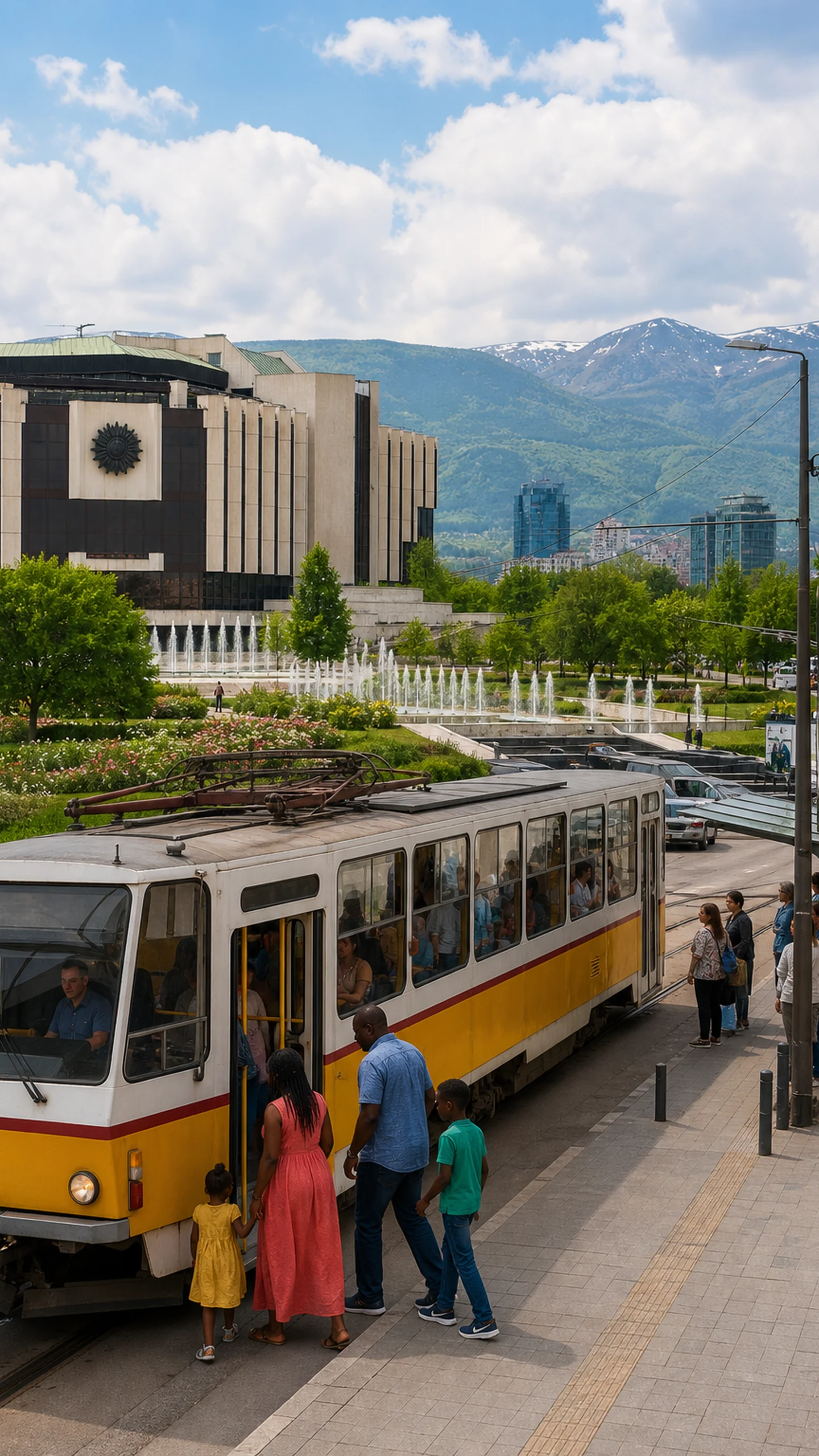
Sofia is one of Europe’s oldest capitals, but it feels lived-in rather than preserved behind glass. Roman Serdica appears below street level, the gold-domed Alexander Nevsky Cathedral anchors the civic centre, and mineral-water fountains remain part of daily city life. Orthodox churches, Ottoman-era traces, twentieth-century public buildings and contemporary cafés occupy the same walkable core.
The city’s geography matters just as much as its monuments. Vitosha Mountain rises immediately south of Sofia, giving the capital an unusual relationship with nature. Boyana Church, known for its medieval frescoes, sits near the mountain’s lower slopes. Together, the city centre and Vitosha explain an essential Bulgarian idea: urban culture and outdoor life are often closer than the map suggests.
PLOVDIV — THE LONG MEMORY OF SOUTHERN BULGARIA
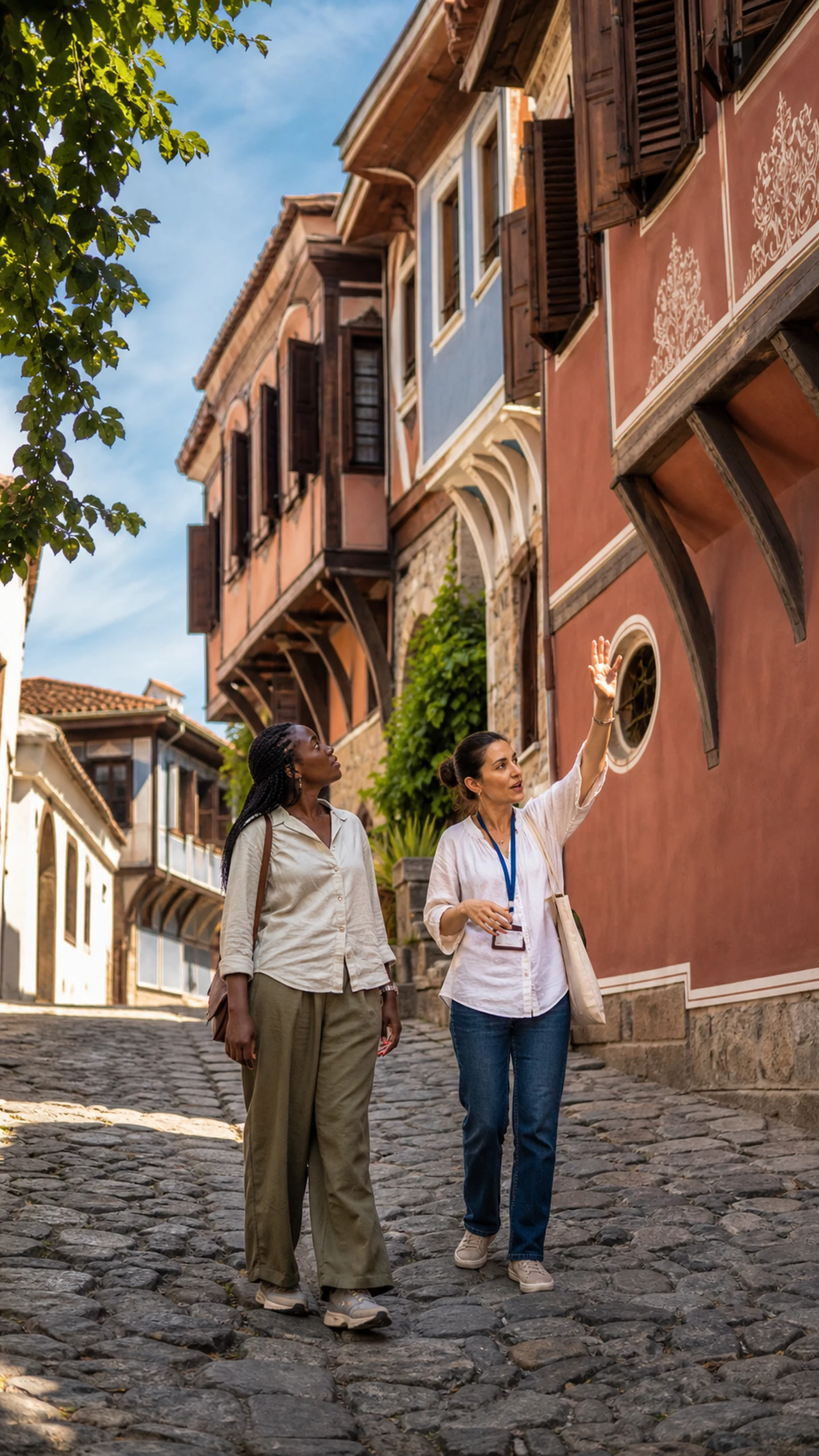
Plovdiv makes Bulgaria’s historical depth easy to see. The Ancient Theatre overlooks the modern city, Roman remains emerge around busy pedestrian streets, and richly painted National Revival houses climb the Old Town hills. Kapana adds studios, small shops and relaxed dining, while the Bishop’s Basilica reveals detailed mosaics from early Christian Philippopolis.
The wider south is shaped by the Thracian plain and the Rhodope and Sredna Gora ranges. Archaeology here is not a single museum subject; it connects Thracian heritage, Roman urban life, medieval power and the cultural revival of the nineteenth century. Plovdiv is therefore more than an attractive city break. It is one of the best places to understand how successive eras remain present in modern Bulgaria.
MOUNTAIN BULGARIA
Rila, Pirin and the mountain character of Bulgaria
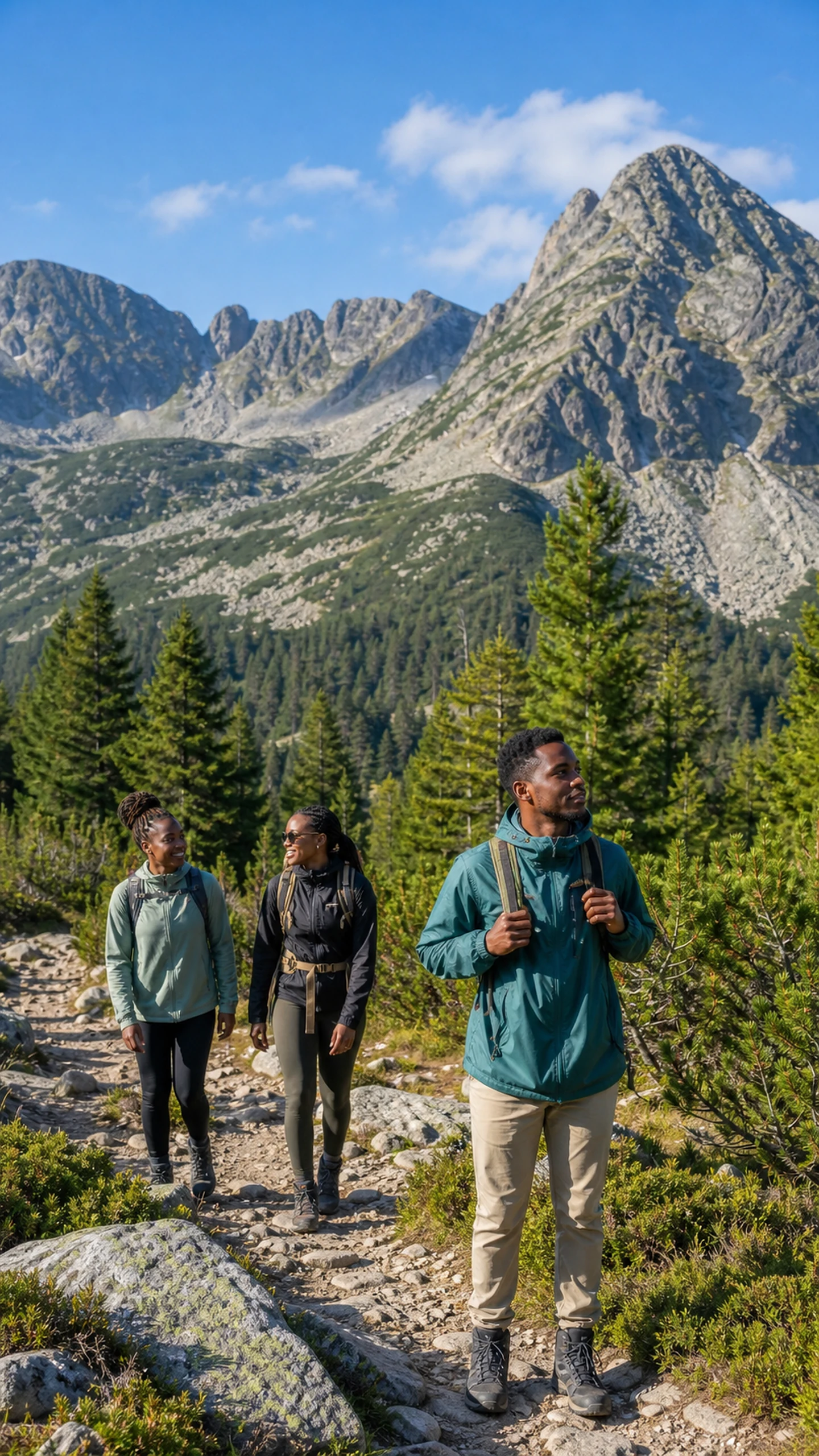
Mountains define much of Bulgaria’s scenery and many of its cultural traditions. Rila Monastery is the country’s most recognisable spiritual landmark, set in a wooded valley within the Rila range. Its striped masonry, painted church and monastic courtyards are visually striking, but the surrounding landscape is part of the experience: the monastery belongs to the mountain, not merely to an architectural itinerary.
Farther south, Bansko sits below the Pirin Mountains. Winter brings skiing, while warmer months open walking routes, village streets and wider views across the valleys. The Rhodopes have a gentler profile and a strong musical and pastoral identity. Mountain conditions can change quickly, so walking plans should suit the season, weather and ability of the group. Travellers do not need to pursue a summit to appreciate this part of the country; scenic drives, short walks and well-chosen viewpoints can be equally rewarding.
MEDIEVAL BULGARIA
Veliko Tarnovo, Arbanasi and Bulgaria’s old capitals
Veliko Tarnovo rises dramatically above bends in the Yantra River. Tsarevets fortress recalls the city’s role as the medieval capital of the Second Bulgarian Empire, while steep lanes and hillside houses make the landscape part of the historical story. The terrain is beautiful but demanding, so footwear and hotel location deserve practical attention.
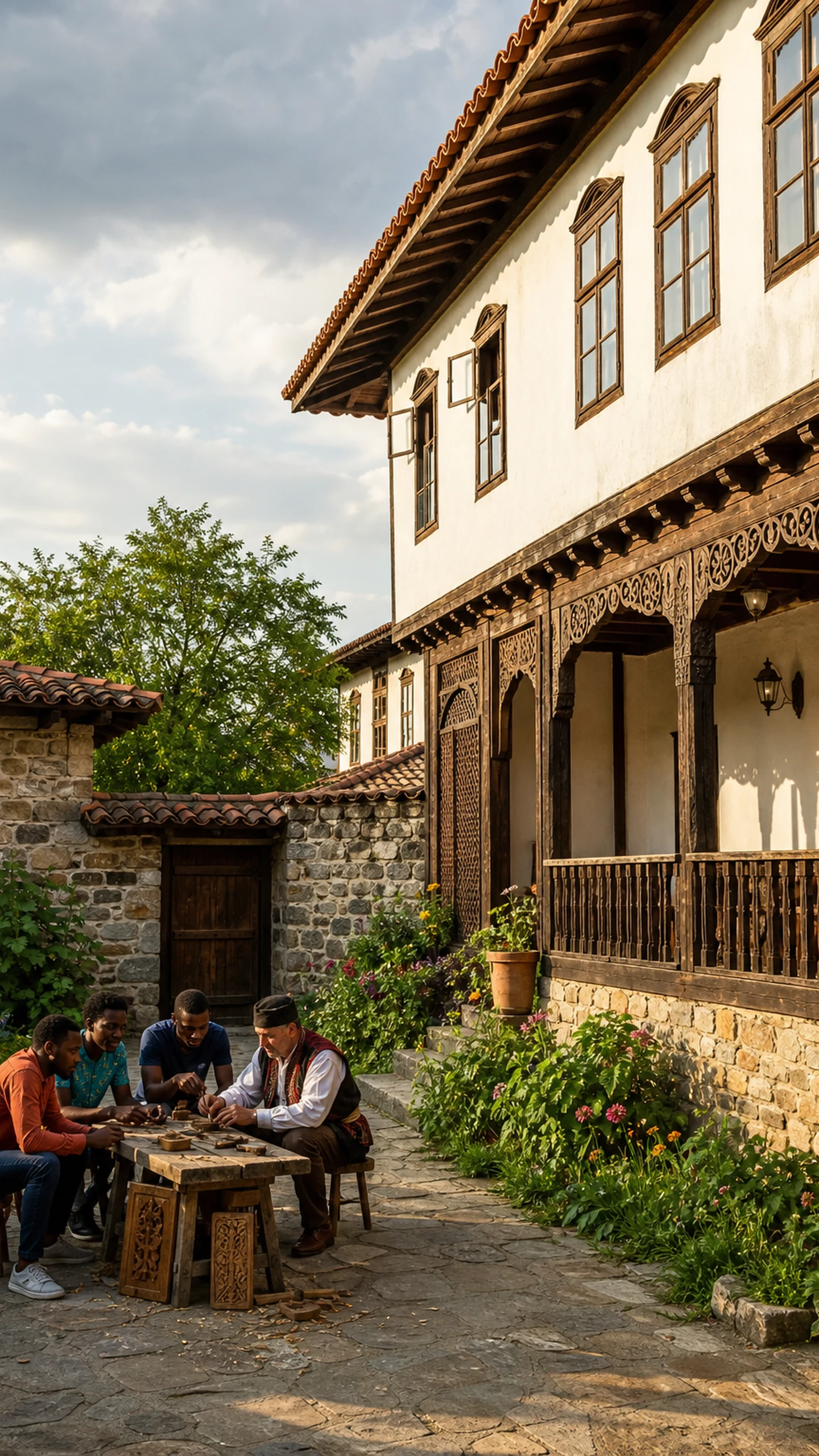
Nearby Arbanasi offers a quieter view of merchant life through fortified houses, courtyards and richly decorated churches. Elsewhere, small towns and villages preserve woodcarving, weaving, icon painting and regional architecture. These places are most informative when treated as communities with living traditions, not decorative pauses between major attractions.
THE BLACK SEA
Historic towns as well as beaches
Bulgaria’s Black Sea coast has broad beaches and summer resorts, but its cultural interest is substantial.
NORTHERN COAST
Varna and Balchik
Varna combines city energy, the Sea Garden and an archaeological museum whose collections illuminate the region’s prehistoric past. North of the city, Balchik brings a compact waterfront and access to the dramatic headland around Cape Kaliakra.
SOUTHERN COAST
Nessebar and Sozopol
Nessebar occupies a historic peninsula filled with medieval churches and timber-framed houses. Sozopol has an older harbour atmosphere, galleries and streets that are best enjoyed on foot.
The coast changes character with the season: July and August are lively and busy, while late spring and early autumn can feel calmer. Choosing a coastal base should depend on whether the priority is urban culture, heritage, a relaxed beach stay or access to nearby towns.
DISCOVER THE COUNTRY
Discover Bulgaria’s Character
Understand Bulgaria through its Roman cities, mountain monasteries, medieval capitals, regional food and historic Black Sea towns before shaping the holiday around your interests.
A SUGGESTED JOURNEY
One Adaptable Eight-Day Bulgaria Itinerary
This is one practical way to connect several of Bulgaria’s major regions after understanding the country as a whole. It is a planning example rather than a fixed package: the coast, mountain time and city balance can be adjusted for the season, interests and flight arrangements.
Days 1–2 — Sofia: historic centre, Boyana Church and optional Vitosha time
Day 3 — Rila Monastery and Bansko beneath the Pirin Mountains
Day 4 — Plovdiv: Roman heritage, Kapana and the Old Town
Days 5–6 — Veliko Tarnovo and nearby Arbanasi
Days 7–8 — Choose one Black Sea base in the north or south
Use this as a starting point rather than a checklist. Holiday Factory can adjust the balance of cities, mountains and coast around your interests, pace and season.
PLAN WITH CONFIDENCE
Food, customs and practical travel context
Bulgaria becomes easier to appreciate when everyday customs, regional food and the relationship between its cities, mountains and coast are understood before travel.
REGIONAL FLAVOURS
Food and market rhythms
Bulgarian food is grounded in vegetables, dairy, grains, beans and grilled dishes. Banitsa is a flaky pastry commonly filled with cheese; Shopska salad combines tomatoes, cucumber, peppers and grated white cheese; Bulgarian yoghurt appears at breakfast and in savoury dishes. Regional menus may also include slow-cooked beans, grilled meats, river or sea fish and seasonal fruit. Meals are often unhurried, and markets can be a useful introduction to local produce and everyday rhythms.
LOCAL CUSTOMS
Respectful visits and useful context
When entering Orthodox churches or monasteries, dress respectfully, keep voices low and check whether photography is permitted. Cyrillic signage can initially slow independent travellers, so offline maps and translated place names are useful. A local guide is especially valuable at archaeological sites, monasteries and museums where context turns visual detail into a coherent story.
GETTING AROUND
How Bulgaria fits together
Most journeys begin in Sofia, although flight and seasonal arrangements should be checked before confirming the final plan. Rail links several major cities, while road transport is useful for mountain areas, monasteries and smaller towns. Distances may look modest, but mountain roads, seasonal traffic and city congestion can affect travel time.
SEASON AND PACE
Plan for changing conditions
Travellers arriving after an overnight flight should keep the first day light. Spring and autumn need flexible clothing because temperatures can differ between Sofia, the mountains and the coast. Summer visitors benefit from early starts at exposed archaeological sites, while winter travellers should allow for weather-dependent road and mountain conditions. Confirm entry rules, opening hours, transport schedules and seasonal services shortly before travel.
WHY BULGARIA
Why Bulgaria deserves a closer look
Bulgaria brings together Roman cities, medieval capitals, Orthodox monasteries, mountain landscapes and a culturally rich coastline within one compact country. Its appeal is not based on one headline attraction. It comes from the way history, food, faith, craft and geography remain visible in places that still function as real cities and communities.
Holiday Factory can help you shape a Bulgaria holiday around the regions and experiences that matter most to you, with suitable pacing, trusted transport and local interpretation where it adds genuine value. Share your preferred season, interests and travel style, and we will turn this country guide into a personal plan.